Focused arrival windows
Useful updates and clear arrival timing.
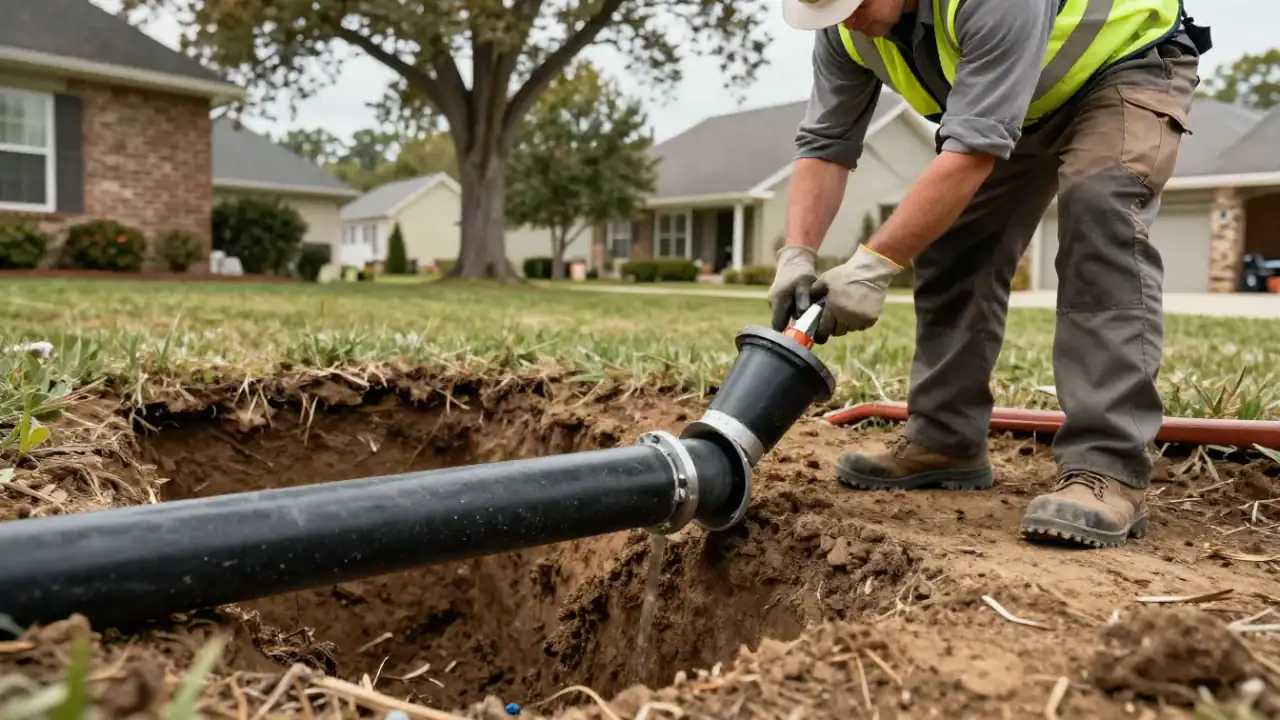
Trenchless Sewer Line Repair in Roswell fixes cracked, root-choked, or collapsed sewer lines by pulling a new pipe through the old one, so we never trench your lawn. If your drains gurgle, back up, or smell like sulfur, we camera the line, locate the break, and restore flow, usually in a single day. We serve homeowners across Fulton County with no-dig sewer repair Roswell GA trusts for clean, code-correct work.
Useful updates and clear arrival timing.
Review the approach and price before deciding.
Equipped vehicles and respectful cleanup.
Neighbors serving neighbors with follow-through.
Every trenchless job we quote includes the camera inspection, the locator map, the access pits, the new pipe or liner, the reconnect, and the final flow test. You get the footage, the warranty paperwork, and a walkthrough before we leave. Add-ons like driveway concrete replacement or full landscape restoration are quoted separately only if you ask for them.
We run a RIDGID sewer camera from the cleanout to the city tap, record the footage, and mark every defect on a locator map. You watch the monitor with us and keep the video file. This is included in every quote, not billed as a separate trip.
We dig two access pits, protect your grass with boards, and haul the spoil away in bags. Pits are typically 3 feet by 3 feet and backfilled the same day. We do not leave open holes overnight unless the job requires a cure window.
Your quote includes either HDPE pipe for a bursting job or a CIPP liner with epoxy resin for a reline. Both carry a 50-year manufacturer rating. We size the new line to match or exceed the flow capacity of the original pipe.
Before we backfill, we run a full tub of water through the new line and camera it one more time. If it holds and drains clean, we compact the pits, restore the surface, and walk you through the result. No final payment until you have seen the footage.
Share what is happening and receive a clear next step from the local team.
Trenchless Sewer Line Repair in Roswell is a method of replacing or rehabilitating a failing underground sewer pipe by working through small access pits at each end of the run instead of cutting a continuous trench across your property. We feed a sewer camera and pipe locator down the line to map every crack, offset joint, and root intrusion, then pull a new HDPE pipe through the old host pipe or invert a CIPP liner saturated with epoxy resin. The old pipe becomes the conduit; the new pipe becomes the sewer.
Roswell's housing stock ranges from 1970s ranch homes near Newtown to older builds around the Historic District, and most of those original clay or cast iron laterals are past their service life. Tree roots from mature oaks and maples find every hairline crack, and summer storms push groundwater through bellied pipe sections. When you search for trenchless sewer pipe repair near me Roswell, you want a crew that reads the camera footage, not one that guesses. We do both.
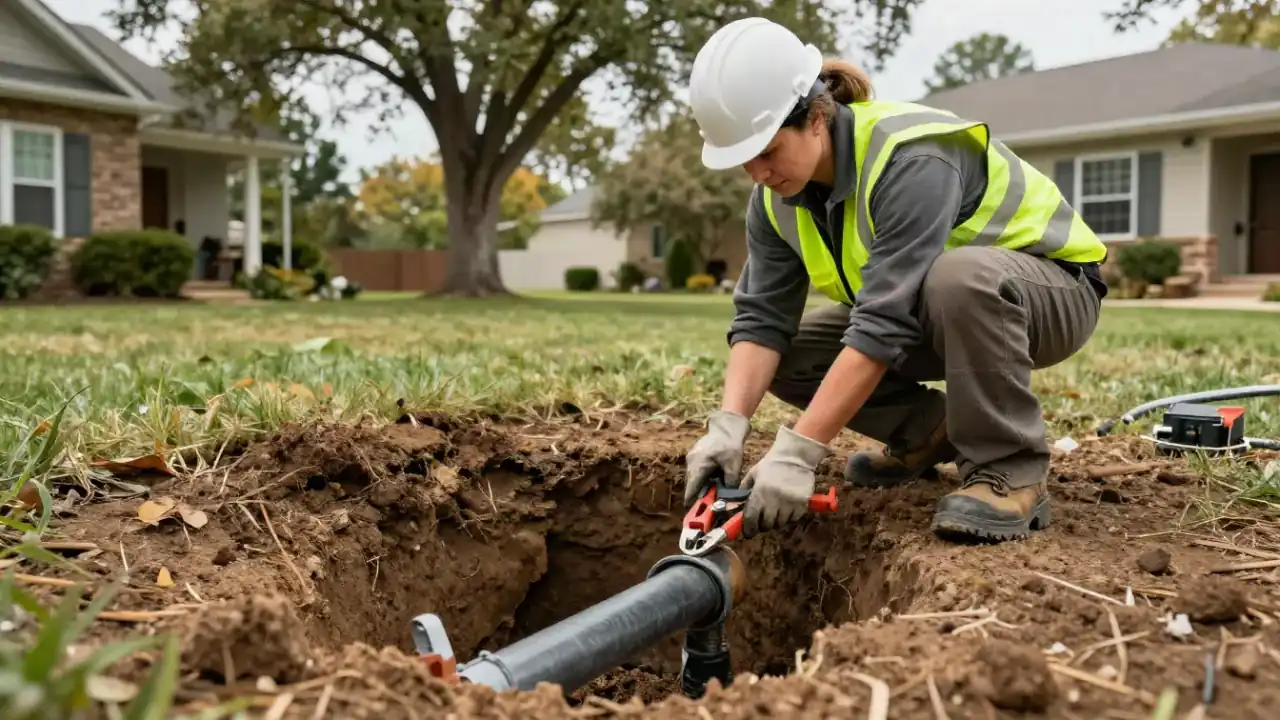
We run a RIDGID sewer camera down the cleanout and record the full run. You watch the monitor with us. We mark every crack, offset pipe joint, bellied section, and root mass, then locate the depth and position with a pipe locator. This takes 30 to 45 minutes and tells us whether trenchless is even the right call.
We hand-dig or vacuum-excavate two pits, one at the cleanout and one at the city tap or problem zone. Each pit is about 3 feet square. We lay protection boards over your grass and haul spoil away in bags, not across your lawn. Expect 1 to 2 hours.
We hydro-jet the old line with a Vactor-class jetter to strip grease clog, scale, and roots back to bare pipe. A root cutter handles heavy intrusions. Then we pull a bursting head or liner inversion rig through, depending on whether we are replacing or relining. This is the core of the job.
For pipe bursting, a HammerHead bursting machine pulls HDPE pipe through the old host, fracturing it outward. For CIPP, we invert an epoxy-saturated liner and cure it with heat or ambient air. Either way, the new line is seamless, jointless, and sized to match or exceed the original flow capacity.
We reconnect the cleanout, run a final camera pass, and flow-test with a full tub of water. If the line holds and drains clean, we backfill, compact, and restore the pits. You get the camera footage, the warranty paperwork, and a walkthrough before we pull out of the driveway.
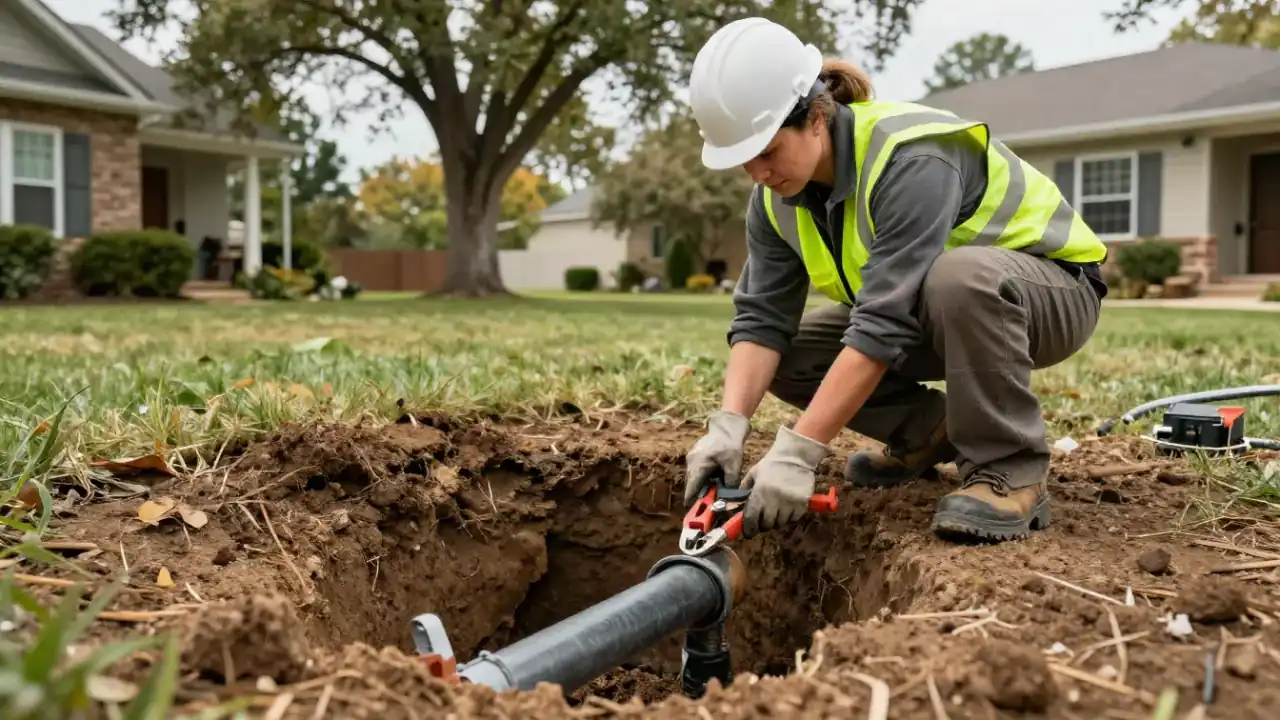
Records the full interior of your lateral so we can see cracks, offsets, roots, and bellies before quoting. You watch the monitor with us and keep the footage.
Maps the depth, path, and defect locations of the underground line so our access pits land in the right spot. It also keeps us clear of gas, water, and irrigation lines.
Strips grease, scale, and roots back to bare pipe at up to 4,000 PSI. It is the prep step before any liner or bursting job and the fix itself for many grease clogs.
Pulls new HDPE pipe through the old host pipe, fracturing the old pipe outward into the soil. Used for full replacements where a liner will not hold.
Inverts an epoxy-saturated liner inside the existing pipe and cures it in place. Produces a seamless new interior wall rated for 50 years under NASSCO standards.
Cuts heavy root masses and grinds scale off pipe walls. Used before jetting on lines with severe root intrusion or mineral buildup.
We invert a resin-saturated liner inside the existing pipe and cure it with heat or ambient air. The result is a jointless new pipe within the old one, rated for 50 years. Best for cracked but structurally sound clay and cast iron laterals.
A bursting head pulls new HDPE pipe through the old line, fracturing the old pipe outward. This is a true replacement and works when the existing pipe is too far gone to reline. HDPE carries a 50-year manufacturer rating and resists roots.
We cut out one damaged section and couple in new pipe with flexible couplings. This is the most cost-effective fix when the camera shows a single defect and the rest of the line is sound. Typical job runs 3 to 5 hours.
We jet the line at up to 4,000 PSI to strip grease and scale, cut roots, then treat the soil with RootX. This is often the whole fix for grease clogs and a required prep step before any liner or bursting job.
We run a full lateral inspection from the house to the city tap, document every defect on camera, and provide a written report. If a repair is needed, we quote trenchless options so the deal does not stall on a five-day excavation. You get a clean report or a fixed price to hand the buyer, and closing stays on schedule.
Snaking clears the clog but leaves the cause. We camera the line, find the cracked or root-invaded section, and reline or replace it. No more monthly snake calls, no trench through the front yard. The root cause is gone, and you stop paying for repeat drain cleaning every few months.
We cut the roots, jet the line, and install a CIPP liner or HDPE replacement depending on pipe condition. Then we treat the surrounding soil with RootX so the same roots do not return. Odor gone, flow restored, and the oak stays standing without a trench across its root zone.
We camera and locate the run, then upsize with HDPE pipe using pipe bursting. The new line handles modern fixture loads and meets current Georgia plumbing code without tearing up the historic landscaping. A code-correct lateral that supports the new bathroom and kitchen without a yard full of trenches.
Roswell sits on a mix of clay soil and older infrastructure, and both shape how we work. The clay holds water after a storm, which puts pressure on bellied pipe sections and offset joints. Summer heat bakes the soil and causes it to shrink, shifting joints further out of alignment. Winter rarely freezes lines deep enough to burst them here, but the freeze-thaw cycle in January and February still moves shallow laterals. Most of the housing stock we see was built between 1965 and 1995, which means original clay or cast iron laterals that are now 30 to 60 years old. We run trenchless sewer repair in Roswell Georgia with that reality in mind, sizing liners and HDPE pipe to handle the soil movement and root pressure that come with mature trees. If you are weighing trenchless vs traditional sewer repair Roswell GA, the answer usually comes down to run length and pipe condition, and we will tell you straight after the camera goes in.
Mature hardwoods and 1980s clay laterals make root intrusion the number-one call here. Most lines need a root cut, jet, and reline.
Lakeside soil stays wet longer, which accelerates belly formation on older laterals. We see more re-grading and spot replacements here than average.
Older homes with cast iron and Orangeburg laterals. Trenchless relining preserves the landscaping and brick walkways that make these properties distinctive.
Large oak canopies mean aggressive root systems. We treat soil with RootX after every repair here to slow regrowth.
Joint offsets and bellies form over years, causing repeat clogs. Trenchless liners bridge small offsets; larger ones need a spot replacement or re-grade.
Roots find every hairline crack and expand. We cut, jet, and treat with RootX, then reline or replace the damaged section so roots cannot re-enter.
Clay and cast iron pipe from that era is at or past service life. Most of these lines are candidates for CIPP relining or HDPE replacement.
Groundwater infiltrates cracked pipe and overwhelms the line during storms. Sealing with a CIPP liner stops infiltration and reduces backup risk.
A 1979 clay lateral with roots entering at three joints. The homeowner was snaking the line every 8 to 10 weeks and had sewage odor in the crawlspace. Camera showed a 60 percent flow restriction at the worst joint and early cracking at two others.
We cut the roots, hydro-jetted the line, and installed a CIPP liner across 42 feet. Final camera showed a smooth, jointless interior with full diameter. Flow test drained a full tub in under 40 seconds. No backups in the 14 months since.
Maintenance: Annual hydro-jet and a RootX soil treatment each spring. Total yearly cost runs about $180 to $250 and keeps the liner clear of new root growth.
A 1972 cast iron lateral had collapsed about 18 feet from the house, directly under a concrete driveway. Sewage was backing into the laundry standpipe. A traditional dig would have required removing a 20-foot section of driveway.
We pipe-burst the run with 4-inch HDPE, working from two access pits on either side of the driveway. The driveway stayed intact. Job finished in 9 hours. New line carries a 50-year material rating and a 10-year workmanship warranty.
Maintenance: No root treatment needed on HDPE, but we recommend a camera check every 3 to 5 years to confirm slope and confirm no debris buildup. Cost is typically $250 to $350.
A 1960s Orangeburg lateral had two bellies and was holding standing waste. Drains were slow throughout the house and the basement smelled. Camera showed the pipe was deformed but not fully collapsed over a 25-foot run.
We spot-replaced the two bellied sections with PVC and flexible couplings, then re-graded the run to restore fall to the city tap. Job took 6 hours. Drains now empty normally and the basement odor cleared within a day.
Maintenance: Because Orangeburg fails progressively, we recommend a camera inspection every 2 years. If new bellies form, the next step is a full HDPE replacement rather than more spot repairs.
Most sewer failures in Roswell trace back to one of four causes: roots, age, ground movement, or grease. Each one has a trenchless fix. Here is what we see on camera every week and how we handle it.
Roots expand inside the pipe, catch paper and grease, and cause repeat backups every few months. Ignored long enough, they crack the pipe and let soil in. We cut the roots with a root cutter, hydro-jet the line clean, then reline or replace the damaged section. Afterward we treat the soil with RootX to slow regrowth. Most customers go from monthly clogs to zero for years.
A low spot in the line collects waste and water, so the pipe never fully drains. You get standing sewage, odor, and eventually a full blockage at the belly. We locate the belly with a pipe locator, then either re-grade the section with a spot replacement or line through it if the slope loss is minor. The goal is a continuous fall from house to city tap.
A collapsed section blocks flow entirely. Sewage backs into the lowest drain in the house, usually a basement floor drain or laundry standpipe. We camera the line, find the collapse, and replace that run with HDPE pipe using pipe bursting. If the collapse is under a footing, we switch to a localized dig. Either way, flow is restored the same day in most cases.
Grease and mineral scale narrow the pipe over years until only a pencil-width channel remains. Drains slow, then stop, usually on a holiday weekend. We hydro-jet with a Vactor-class jetter to strip the buildup back to bare pipe. If the camera shows the pipe is still sound, that is the whole fix. If scale has damaged the walls, we quote a CIPP liner to restore full diameter.
$2,800 - $12,000 depending on scope
Typical 2026 pricing for trenchless sewer line repair in Roswell runs $4,500 to $12,000 for a full residential lateral, and $2,800 to $5,500 for a spot repair. Camera inspection is $250 to $450 and is credited toward the job if you book the repair with us. CIPP relining usually lands 15 to 25 percent below a full pipe bursting replacement on the same run. We quote a fixed price after the camera goes in, so you are not guessing. If you want no-dig sewer line replacement Roswell GA done right, the number on the quote is the number you pay.
You are paying for a 50-year pipe, a 10-year workmanship warranty, and a yard that looks the same when we leave. Compare that to a traditional dig that costs similar money but adds days of excavation, concrete replacement, and landscape repair on top.
A 30-foot lateral at 4 feet deep is a different job than an 80-foot run at 8 feet. Depth drives pit shoring, labor hours, and equipment time. Most Roswell residential runs fall between 40 and 70 feet.
A cracked clay pipe that still holds its shape can be relined for less. A collapsed or severely deformed line needs pipe bursting, which costs more because it is a true replacement. Orangeburg almost always needs replacement.
If the cleanout is buried under a deck or the run passes under a paver patio, we may need additional care or a different pit location. Open lawn access keeps the price at the low end of the range.
A single defect can often be spot-repaired for a fraction of a full run. We only recommend full replacement when the camera shows multiple failures or a pipe material that will keep failing, like Orangeburg.
Work at the city tap or within the right-of-way may require a permit and inspection. We handle the paperwork and include it in the quote so there is no surprise line item later.
After-hours emergency calls carry a higher dispatch rate, typically $150 to $300 above a scheduled visit. If the line can wait until morning, scheduling saves you money without changing the repair.
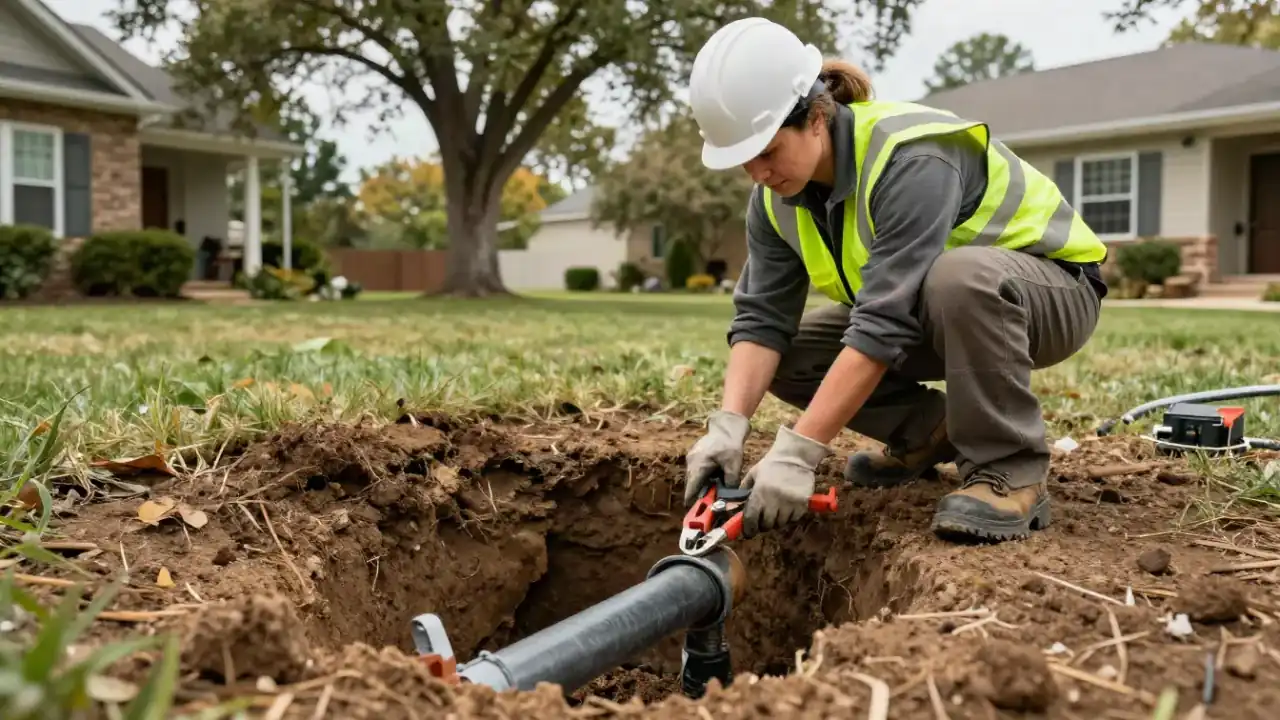
Our technicians hold Georgia Plumbing Contractor License credentials, NASSCO CIPP certification, and confined space entry certification, which matters the moment someone drops into a 6-foot-deep access pit. We carry OSHA 30 training on every crew and backflow prevention certification for the reconnect work. We have run trenchless sewer line replacement on clay, cast iron, Orangeburg, and PVC laterals across Fulton County. When a job needs a spot sewer line repair instead of a full replacement, we say so and price it that way.
Our line backed up twice in one month and the second plumber wanted to dig up the whole side yard. Roswell Sewer Line Repair ran a camera, found roots at a cracked joint about 30 feet out, and relined it in a day. No trench, no dead grass, and the camera footage showed a clean pipe before they left. Six months later, still draining fast.
We had a bellied clay line from 1978 and sewage was pooling under the house. They quoted a pipe bursting job with HDPE and finished in about eight hours. The crew laid boards over the lawn, dug two small pits, and hauled the spoil away in bags. Price matched the quote to the dollar.
Called at 11 p.m. on a Sunday with sewage coming up in the laundry drain. A technician was here in about 80 minutes, jetted the line, and found a collapsed section near the city tap. They did an emergency spot repair that night and came back Tuesday to reline the rest. Fair price, no drama.
Most residential trenchless sewer line repair in Roswell runs $4,500 to $12,000 in 2026, depending on run length, depth, and whether we reline or replace. A short spot repair can land near $2,800. The camera inspection, usually $250 to $450, is credited toward the job if you book the repair with us.
Yes for most residential lines. Trenchless avoids tearing up lawns, driveways, and mature landscaping, finishes in a day instead of a week, and produces a jointless pipe that resists root intrusion better than the segmented clay it replaces. Traditional digging still wins when the line is collapsed beyond a 40-foot run or sits under a foundation footing.
A typical no-dig sewer line replacement Roswell GA job takes 6 to 10 hours from pit to backfill. CIPP lining on a 30-foot run can finish in 4 to 6 hours. Add 30 to 45 minutes for the initial camera inspection. You can usually flush the same evening we finish.
It works on clay, cast iron, Orangeburg, and PVC laterals as long as the host pipe still holds its shape. We confirm that with a camera and pipe locator before quoting. If the line has a severe belly or a fully collapsed section, we switch to pipe bursting or a localized dig rather than force a liner into a failed host.
Not seeing your question? Our local team can help you understand urgency, scheduling and what to expect.
Ask the local team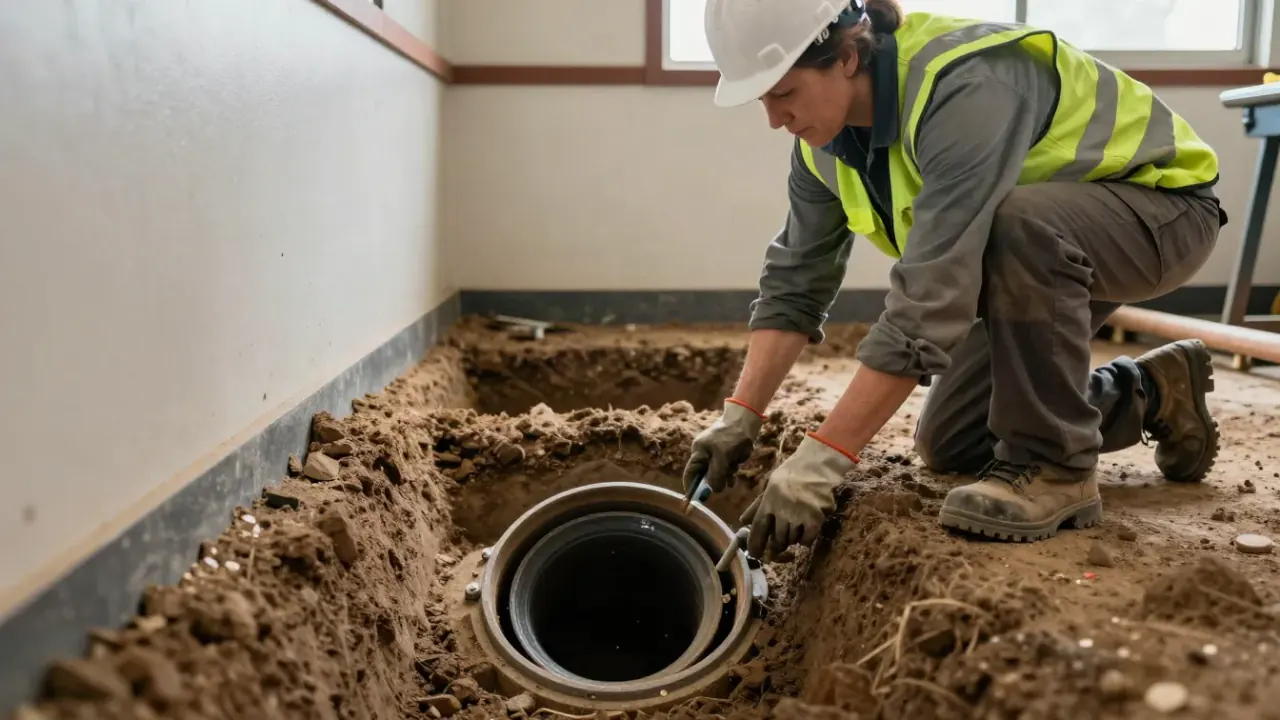
CIPP lining is the reline half of trenchless work. We invert an epoxy-saturated liner inside your existing pipe and cure it in place, creating a seamless new interior wall. It is the right call when the host pipe is cracked but structurally sound and you want to avoid excavation entirely.
View service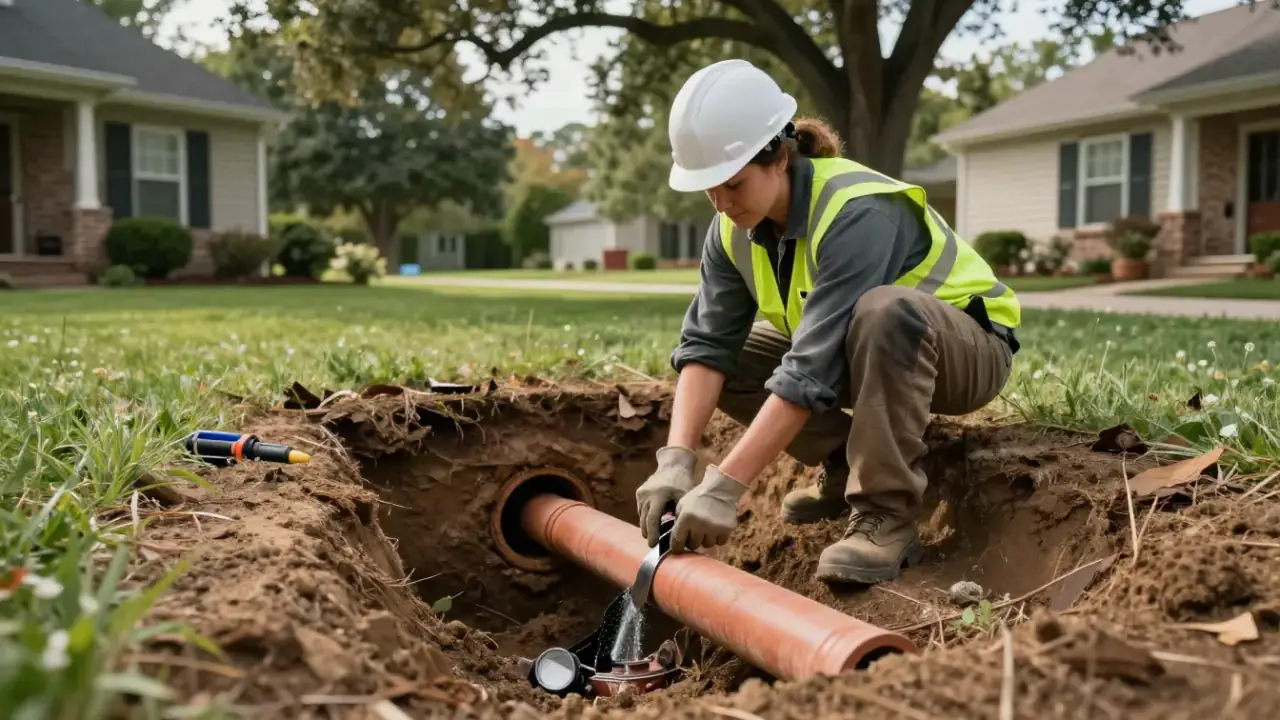
Pipe bursting is the replacement half of trenchless work. A bursting head pulls new HDPE pipe through the old line, fracturing the old pipe outward into the soil. We use it when the existing line is too far gone for a liner but you still want to keep your yard intact.
View service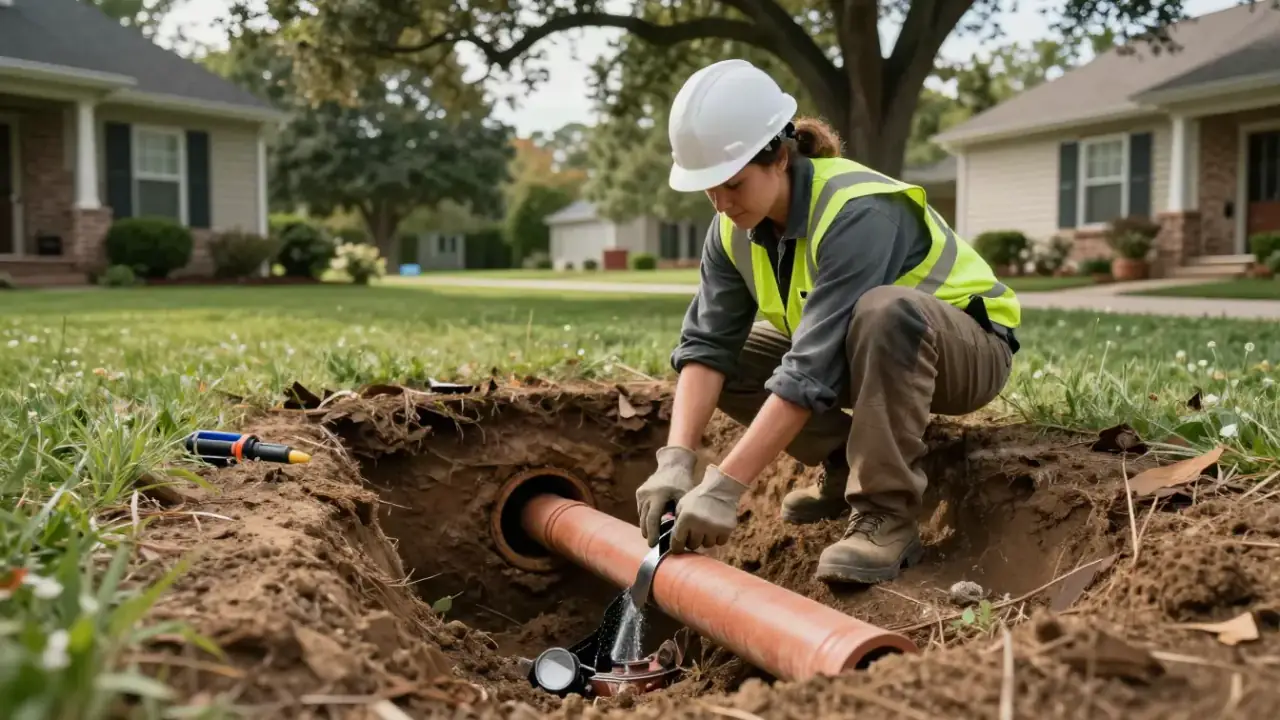
Not every problem needs a full run replacement. A spot repair cuts out one damaged section and couples in new pipe with flexible couplings. We recommend it when the camera shows a single crack or offset and the rest of the line is sound, saving you thousands.
View service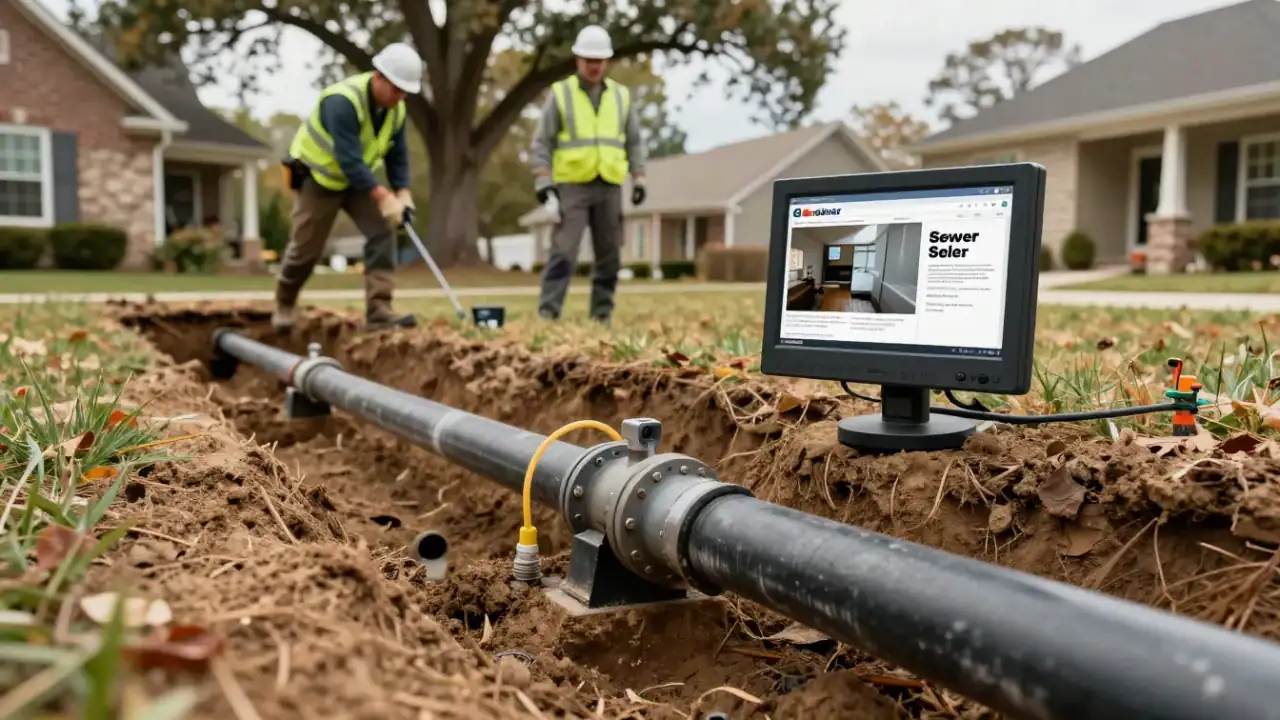
Every trenchless job starts with a camera inspection. We run a RIDGID camera and pipe locator down the cleanout, record the footage, and mark defects on a locator map. You get the video file and a written report, whether or not you hire us for the repair.
View service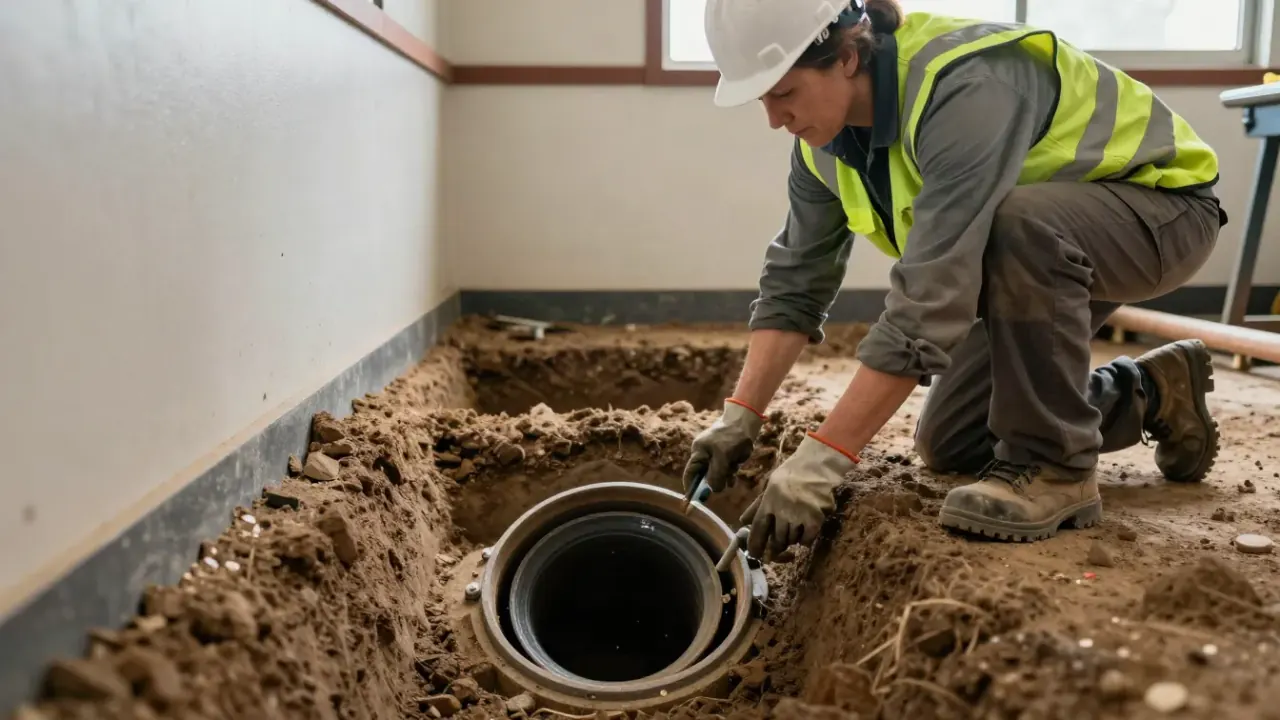
Call (770) 214-4809 any time, day or night, and a real person answers. For non-emergency work, we schedule camera inspections and repairs Monday through Friday, and we confirm your window before the truck rolls. Email works too if you prefer to send photos of the backup or the cleanout.